Peptide Testing: Hplc & Mass Spec Purity Guide Pinnacle
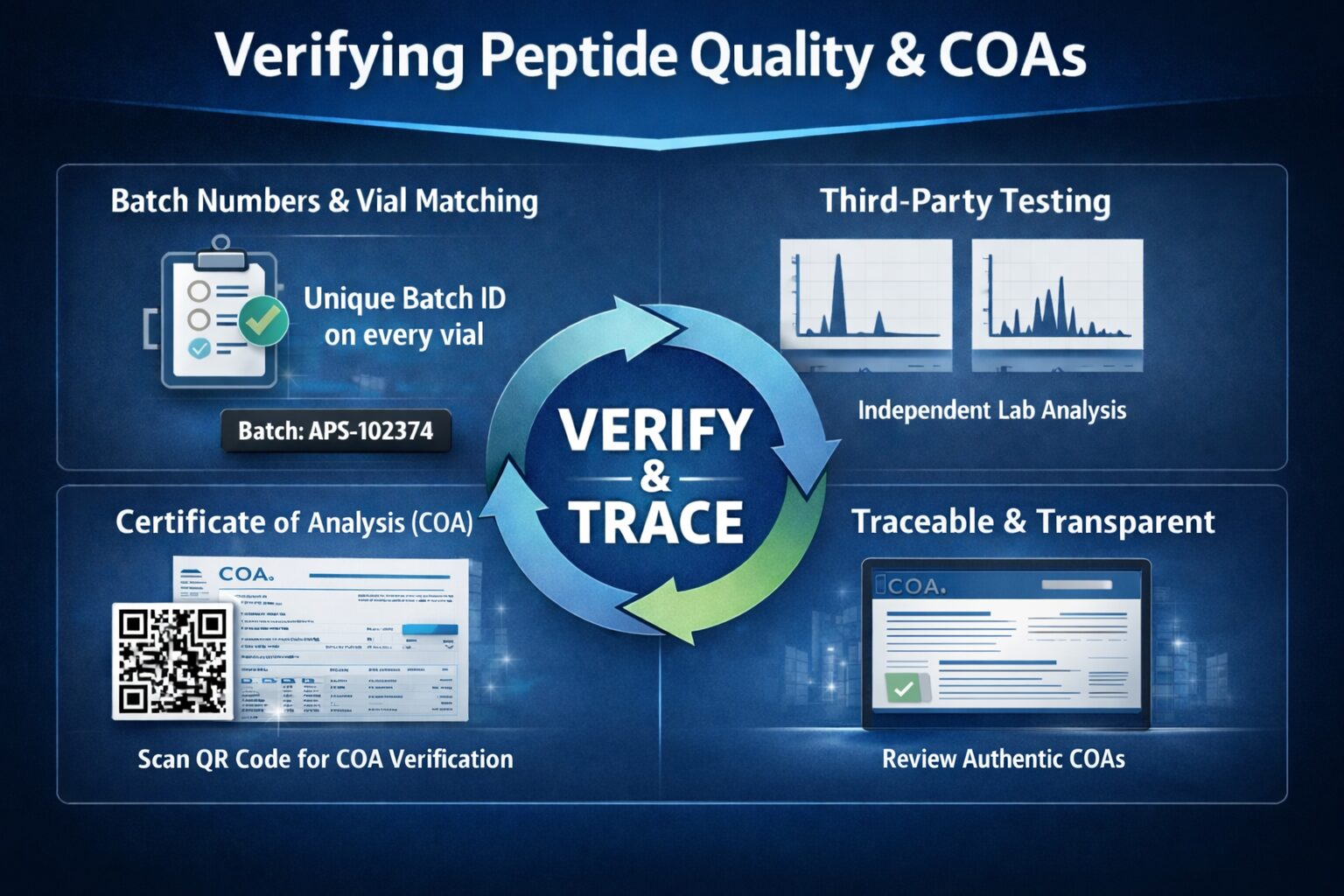
Rp-hplc Peptide Pureness Evaluation By confirming molecular structure and purity, we assist scientists maintain reproducibility and abide by governing requirements. Our logical services give confidence in every peptide set, decreasing experimental risk and supporting both preclinical and scientific applications where accuracy is essential for success. It is considered the gold-standard method for examining just how much of an example is the preferred peptide versus impurities [2] For instance, a peptide at 95% pureness still includes ~ 5% byproducts that can disrupt delicate experiments if unnoticed [2] By using HPLC to guarantee a peptide is, say, 98-- 99% pure, researchers substantially lower the threat of such confounding variables.
The Components Of An Hplc System
A distinct approach to determine the outright number of moles of a substance from peak location dimensions using HPLC with a UV-- vis detector has actually been recommended. This integrated approach improves information high quality, decreases authorization risk, and enhances confidence in research study final thoughts. Using the best mix of approaches makes sure reliable peptide characterization appropriate for both discovery work and formal governing entries. Peptides Lab UK materials research-use-only research laboratory referral compounds with batch-specific certificates of evaluation.When Is Hplc Method Development, Recognition, And Hplc Evaluation Utilized?
In peptide research, the high quality of your starting products directly figures out the integrity of your outcomes. High-Performance Fluid Chromatography, commonly called HPLC, is the gold typical logical method for assessing peptide purity. Comprehending what HPLC testing involves and why it matters is crucial knowledge for any type of researcher working with synthetic peptides.Just how much does peptide HPLC screening price?
The cost of peptide evaluation service varies dramatically based upon which methods your regulative package calls for: HPLC-UV Analysis: $& #x 24; 300 & #x 2013; & #x 24; 800 per example (basic pureness evaluation) LC-MS (Liquid Chromatography-Mass Spectrometry): $& #x 24; 600 & #x 2013; & #x 24; 1,500 per sample (molecular weight confirmation).
Eastern Analytical Symposium Testimonial
It is one reason appropriate peptide storage space and reconstitution methods matter. In the usual peptide COA context, peak pureness normally refers to the portion of total chromatogram location represented by the major peptide peak. It is an area-percent purity measurement, not a full identity or activity test. Mass spectrometry validates whether the gauged mass matches the expected peptide mass. The high Origin Sequence Peptide Products quality and reliability of a peptide purity dimension rely on technique criteria and paperwork top quality. The mobile phase, frequently a mix of water, acetonitrile, and an acid modifier, is saved in storage tanks and provided with the system by a high-pressure pump.- In sensible COA evaluation, the term typically describes pureness screening, identity testing, and documents testimonial.
- Mass spectrometry gives clear-cut verification of peptide identity by gauging the precise molecular weight of the substance, commonly to within 0.01% of the theoretical worth.
- HPLC measures separation and family member peak location; mass spectrometry actions mass-to-charge behavior that can be used to verify molecular identification.
- This overview describes the three gold-standard analytical approaches-- HPLC, mass spectrometry, and third-party testing-- and exactly how researchers can translate outcomes to verify that their substances satisfy research-grade top quality criteria.